Is It Legal to Use a Drone for Deer Recovery?
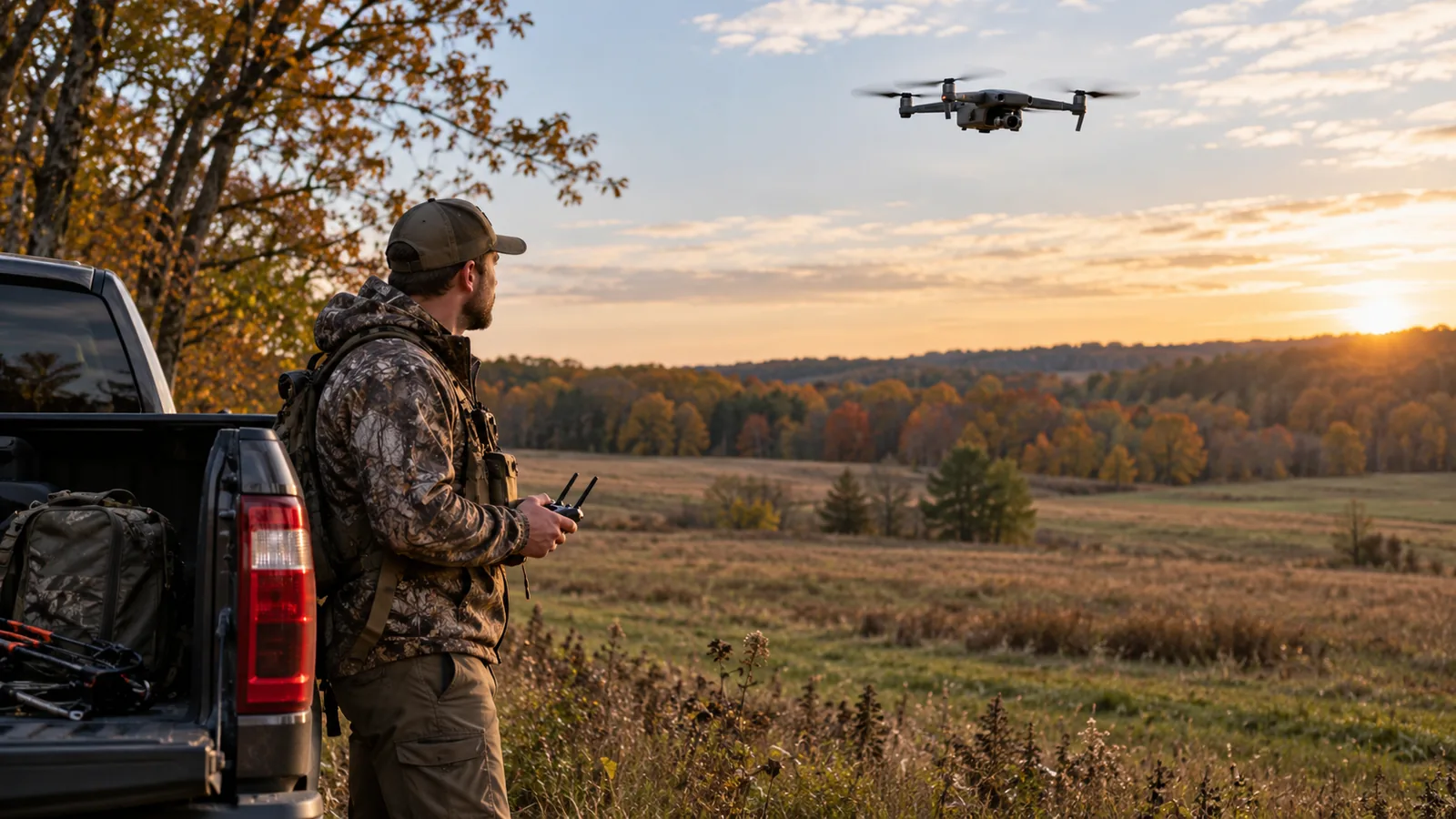
It is legal to use a drone for deer recovery only where your state’s wildlife rules allow it; there’s no single nationwide yes-or-no answer. Check the current rules before flying, since permission to recover a deer doesn’t authorize trespassing or override aviation requirements.
Is it legal to use a drone for deer recovery?
Quick answer: It depends on your state’s current wildlife rules; there’s no nationwide yes-or-no answer. Before flying, check whether the rules allow your specific recovery and what conditions apply, then check applicable FAA requirements.
- Check whether the rules cover searching for a shot, wounded deer, and any conditions such as hunting hours or notification.
- Get landowner permission before searching, entering, launching from, or landing on private property.
- If the drone finds a live deer, stop and contact your state wildlife agency or a game warden before continuing.
- If any rule is unclear, contact your state wildlife agency or a game warden before launching.
What changes the answer in your state?
A drone used to locate a shot, wounded deer raises a different question from one used to scout, pursue, flush, or hunt live wildlife; check your state’s wildlife rules for the activity you plan to do.
Recovery and live-wildlife use can be treated differently under state rules. Permission to search for a wounded deer may not permit using a drone to find or drive live deer. Rules vary by jurisdiction, and the sources here establish no nationwide permission or exception.
Before you fly, check the current rules published by your state wildlife agency or contact a game warden. Wisconsin’s Department of Natural Resources publishes a drone-use policy, while Maryland’s Department of Natural Resources has a related regulation in COMAR. Those are examples of state authorities to check, not a basis for applying Wisconsin or Maryland rules to another state.
When you check, describe the exact situation: you’re looking for a deer you shot and believe is wounded, or you’re using a drone to locate or move live wildlife. Ask whether the rules allow that specific use and what conditions apply. If the agency’s materials don’t answer your question, contact a game warden before launching.
What conditions can limit a recovery flight?
A recovery flight may be limited by search, injury, timing, or reporting rules, and the requirements vary by state.
- Ground search: Check whether your state requires you to search on foot before using a drone. Review the Wisconsin DNR policy for a state-specific rule.
- Wound severity: Check whether drone recovery is allowed only when you believe the deer is mortally wounded. Locating a deer may not meet this condition.
- Hunting hours: Confirm whether rules restrict when you may fly or recover the deer. A recovery flight may be subject to hunting-hour limits.
- Notification: Check whether you must notify a wildlife agency or game warden before or after the flight.
- Records: Check whether you must document the search or recovery, including what information to keep and when to provide it.
Wisconsin’s policy and Maryland’s regulation are jurisdiction-specific examples; they don’t establish a nationwide ground-search requirement, wound standard, flight window, notification process, or deadline.
Who can fly, and what may they carry?
State rules may determine whether you can pilot the drone, use a third-party or paid operator, or carry a hunting weapon during recovery. Check the current rules for the state where you hunt; Wisconsin and Maryland have state-level materials on drone use and hunting regulations.
Before flying, confirm which rules apply to each person involved: you as the hunter, the pilot, and anyone assisting. Check for restrictions on carrying a firearm, bow, or other hunting weapon. Hiring a pilot may not change the rules that apply to the recovery.
State wildlife rules and federal aviation requirements are separate. Check the applicable FAA requirements for registration, visual line of sight, airspace, and paid services under Part 107 before the flight.
| Table: Rules to verify before a recovery flight |
|---|
| Who may pilot |
| Third-party or paid help |
| Hunting weapons |
| FAA requirements |
What should you do if the drone finds a live deer?
If the drone finds a live deer, stop the recovery flight and contact your state wildlife agency or a game warden before taking further action. A live deer isn’t permission to pursue it: finding its location does not authorize using the drone to follow, flush, or hunt the animal.
If you can’t tell whether the deer is alive or how badly it’s injured, treat its condition as unclear and ask the agency or a game warden what to do before continuing. State rules govern drone use around wildlife. A recovery rule may not permit a flight after the animal is located.
Check property access separately. A drone flight doesn’t grant access to private land: get the landowner’s permission before launching from, landing on, searching, or entering private property. If the deer is on land you can’t access, ask the landowner for permission rather than crossing the property or continuing the search without it.
Frequently Asked Questions
Can I fly over private property to recover a deer without the landowner’s permission?
A recovery flight may not let you search private land without the landowner’s permission. Ask before continuing the search or entering the property, and check your state’s wildlife rules. Recovery permission doesn’t grant land access or replace applicable aviation requirements.
Can I land my drone on private property during a deer recovery?
No, get the landowner’s permission before landing on private property. The same access check applies if you need to launch from the property, search it, or enter it to retrieve the deer; state wildlife and aviation rules still apply separately.
Can I use a thermal drone to find a deer after legal hunting hours?
Thermal equipment may not make an after-hours recovery flight lawful. State rules may restrict when you can fly or recover a deer, so check the current rule and ask your wildlife agency or a game warden before launching.
Can I use drone footage to prove a deer was wounded?
Drone footage may help document what you saw, but it doesn’t by itself establish that your state’s wound requirement is met. Check whether your state requires a particular injury standard or records, and ask the wildlife agency or a game warden how to document the recovery.
What should I do if my drone finds a deer on someone else’s property?
Stop the search and ask the landowner for permission before continuing over or entering the property. If the deer is alive, or you’re unsure of its condition, contact your state wildlife agency or a game warden before taking further action.
Conclusion
If your state’s current rules clearly allow a drone for the recovery you’re planning, follow every condition and check FAA requirements before flying. If the rules are unclear, or the drone finds a live deer, pause and contact your state wildlife agency or a game warden before taking another step. Then confirm you have permission for any private land you need to access. Don’t launch until the wildlife, aviation, and property-access questions are settled.
Sources
- dnr.wisconsin.gov (dnr.wisconsin.gov)
- regs.maryland.gov (regs.maryland.gov)