
Difference Between UAV and Drone: Are They the Same?
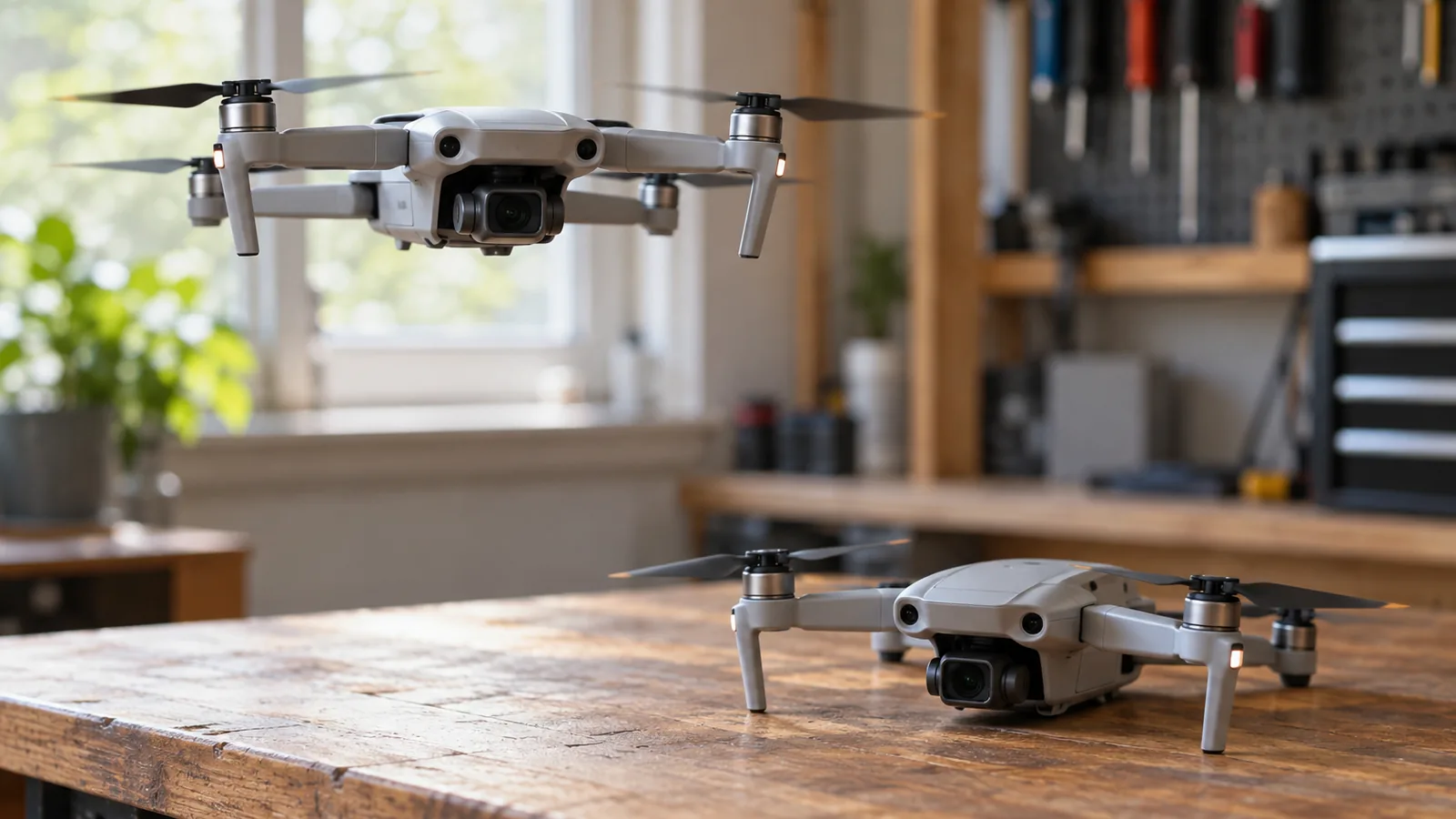
The difference between UAV and drone is usually just wording: both mean the aircraft, while the FAA registration exception applies only to aircraft under 0.55 lb (250 g) flown under its limited recreational rules. UAV means “unmanned aerial vehicle,” while the FAA uses “unmanned aircraft” (UA). UAS refers to the aircraft and its operating equipment.
The terms matter when you’re checking a rule: requirements depend on your aircraft and how you fly it, not the label you use. Check whether a rule covers the aircraft, its operating setup, or both.
Key Takeaways
Drone and UAV usually mean the aircraft itself in consumer use.
UAS includes the aircraft and operating equipment, such as control components and communication links.
Use “drone” for everyday consumer conversations; FAA guidance may use UA or UAS depending on what it describes.
A drone under 0.55 lb (250 g) is exempt from registration only under the recreational exception.
Quick Verdict: UAV and Drone Usually Match
UAV stands for “unmanned aerial vehicle,” while the FAA’s formal term for the aircraft is “unmanned aircraft,” or UA. The words differ more in register and context than in what aircraft they identify.
For a consumer aircraft, calling it a drone or a UAV generally points to the same thing: the aircraft flying through the air. “Drone” is common in everyday consumer language, while “UAV” is a more technical-sounding label. Neither term, on its own, describes every component involved in operating the aircraft.
That distinction matters when you see UAS. The term means “unmanned aircraft system” and covers the aircraft plus equipment needed to operate it, such as control components and communication links. In other words, UAV or UA refers to the aircraft; UAS refers to the aircraft and associated operating elements.
For owners, this is mostly a wording distinction. FAA consumer-facing material calls these aircraft drones, while formal guidance also uses UA and UAS.
Compare Drone, UAV, UA, and UAS
For consumer aircraft, drone and UAV usually mean the aircraft itself; FAA guidance calls that aircraft an unmanned aircraft, or UA. UAS is broader: it includes the aircraft and the associated elements needed to operate it.
| Term | Meaning in this context | What it refers to |
|---|---|---|
| Drone | Everyday term for an unmanned aircraft | The aircraft itself |
| UAV | Unmanned aerial vehicle | The aircraft itself |
| UA | FAA term for unmanned aircraft | The aircraft itself |
| UAS | Unmanned aircraft system | The aircraft and associated operating elements, such as control components and communication links |
The main distinction is scope: the first three terms identify the aircraft, while UAS describes the aircraft and associated operating elements.
When Do the Terms Matter to Owners?
The terms matter most when you’re reading FAA material or handling a requirement. FAA consumer-facing pages call the aircraft drones, while formal guidance also uses “unmanned aircraft” (UA) and “unmanned aircraft system” (UAS). In consumer use, “drone” and “UAV” usually identify the aircraft itself. The aircraft is the focus in everyday conversation, but a UAS can also include operating equipment such as control components and communication links.
You don’t need to decide which word is universally correct before flying. Requirements depend on the aircraft and how you operate it, not the label you use.
When you deal with an FAA requirement, use the terms on the relevant official form or guidance so you can match your situation to the right instructions. Pay attention to what the rule covers: the aircraft, the operating setup, or both.
Compare Registration and Remote ID Rules
The registration exception is narrow: the aircraft must weigh under 0.55 lb (250 g) and fly under the recreational exception. Registration and Remote ID requirements depend on how you fly, not just on the aircraft’s weight.
| Item | Rule |
|---|---|
| Weight exception | Under 0.55 lb (250 g), only under the Exception for Limited Recreational Operations |
| Remote ID | Required for drones that must be registered or are registered |
| Registration cost | $5 per drone for Part 107; $5 for recreational registration covering the owner’s inventory |
| Registration term | 3 years for either registration type |
| Transfer between operation types | Part 107 and recreational registrations cannot be transferred |
The weight exception doesn’t create a blanket exemption from Remote ID: an aircraft that’s registered must comply, even if you fly recreationally. That makes your operation type worth checking before you rely on the weight threshold.
Recreational registration covers the owner’s inventory, while Part 107 registration costs apply per drone. If you change from recreational flying to Part 107 operations, the registration doesn’t transfer, so use the registration type that matches the operation.
Which Term Should You Use?
Use drone for ordinary consumer conversations; UAV usually identifies the same aircraft.
First-time consumer buyer: Use “drone” when discussing or shopping for a consumer aircraft. “Drone” also matches the wording in FAA consumer-facing material.
Consumer-drone pilot: You can call your aircraft a drone in everyday conversation. The FAA’s consumer material uses “drone,” while its formal guidance also uses “unmanned aircraft” and “UAS”.
Regulatory-minded owner: Use the term that appears in the FAA material or paperwork you’re handling. The FAA uses “unmanned aircraft,” or UA, for the aircraft, and also uses “UAS” in formal guidance. Check the rules for your operation instead of treating “drone,” “UAV,” and “UA” as different aircraft categories.
Consumer technology researcher: Use “drone” when writing for a general consumer audience, and define “UAV” if you use it. Both usually identify the aircraft in consumer use, while FAA guidance uses UA for the aircraft. Use “UAS” when the distinction in FAA terminology matters, and follow the applicable FAA wording for the operation you’re describing.
Frequently Asked Questions
Do UAVs have to be remotely controlled, or can they fly autonomously?
UAVs can fly autonomously; the term identifies the aircraft, not a requirement for continuous remote control. A UAS includes the aircraft and associated operating elements, such as control components and communication links, so the broader term covers more than the aircraft alone.
Is an FPV drone considered a UAV?
Yes. “Drone” and “UAV” usually refer to the aircraft itself.
Can a UAV fly without GPS?
Yes, a UAV can fly without GPS; the term describes the aircraft and doesn’t specify its navigation method. GPS availability doesn’t change the distinction between the aircraft, called a UAV or UA, and the wider UAS with its operating equipment.
What is the difference between a UAV and a model aircraft?
A UAV is an unmanned aircraft, while “model aircraft” is a separate label that FAA terminology doesn’t define as a distinct aircraft category. For practical decisions, check the rules that apply to your aircraft and operation rather than relying on either label alone.
Are military UAVs different from consumer drones?
Military UAVs can differ in purpose and equipment, but “UAV” and “drone” still commonly identify the aircraft itself in consumer usage. The term UAS is broader, covering the aircraft and associated elements needed to operate it, such as control components and communication links.
Conclusion
Use “drone” for everyday conversation and consumer searches. If you’re reading FAA guidance or filling out paperwork, use its wording and follow the instructions that apply to your operation.
Sources
- faa.gov (faa.gov)
- How to Register Your Drone (faa.gov)
- faa.gov (faa.gov)